Interviewed by Ella Wang
My first question to you, Zid, is What inspired you to become an art curator? Is it because you love art? Is this something that you dreamed you'd be doing when you were little?
I’ve always loved art growing up. I feel like art is definitely inherently tied to social progress. I came from a first-gen family. I grew up with a big cultural difference in who my family was versus who I was. And I think all my experiences kind of informed how I resonated with art. It was like art objectively meant something for me.
Being a part of the art space, curating exhibitions, or just being in that world was not something that crossed my mind at first. But I had a best friend in high school, Queen Carrasco, and she actually does an interdisciplinary focus on art curation and sociology. Right now, Queen goes to CCNY, and she’s probably going to UCL for her PhD.
She was the person who wanted to find this gallery, Warden Exhibitions. She brought this idea to me. This is her passion first and foremost, and she’s the one who studies curation firsthand. We’ve always bonded over our love for art altogether. And I told you I had a degree in business management before, now pursuing music and business. So we were kind of like, we could probably come together and merge our love of art with the knowledge you have and the knowledge I have in terms of business, organization, and all that type of stuff.
And that’s kind of how I got into the art world and into art curation. It’s something I always loved growing up. I love all forms of art—music, theater, Broadway, but also visual arts such as painting, sculptures, installations, performances. So everything just kind of happened. But where we are with Warden Exhibitions is definitely a big credit to my best friend, because she and I co-own this thing.
How long has it been since you guys started this thing?
So it’s been a little—maybe we’re coming up on about a year, right? So it’s fairly new. We’re kind of having a growth phase right now, since we wanted to get it up and going.
We had our first exhibition in the summer of last year. It’s an interesting space to break into, both technically and culturally. And we’re also full-time students, something we’re building through our 20s and into adulthood. So we’ve only had one show thus far, but this year we have three shows planned.
The next one is going to be in April, which is in about two months. It’s titled Art and Solidarity. Then we have another one in the summer and another one in the fall. So we’re going to have three shows this year. We had one last year. That’s where we are right now.
For Warden Exhibitions, is there a general aim or specific purpose you’re trying to achieve? Because what I’m hearing is that each show is sort of a standalone.
Absolutely, yeah. I mean, the name itself—Warden Exhibitions—is supposed to represent when you think of a confined space, you think of a warden who rules over that space. Me and Queen often discuss this. I feel like in the art space there’s a lot of gatekeeping and elitism. Almost like art is for a specific caliber of person or a certain socioeconomic standard.
So when we named the company Warden, it was supposed to represent that the company itself is the warden, and we’re taking back control—opening the cells, opening the gates, and allowing accessibility to art. That’s our root value proposition.
Our first gallery show was free. Everything we pride ourselves on is being accessible, not putting things behind a paywall. Thematically, a lot of our exhibitions revolve around that.
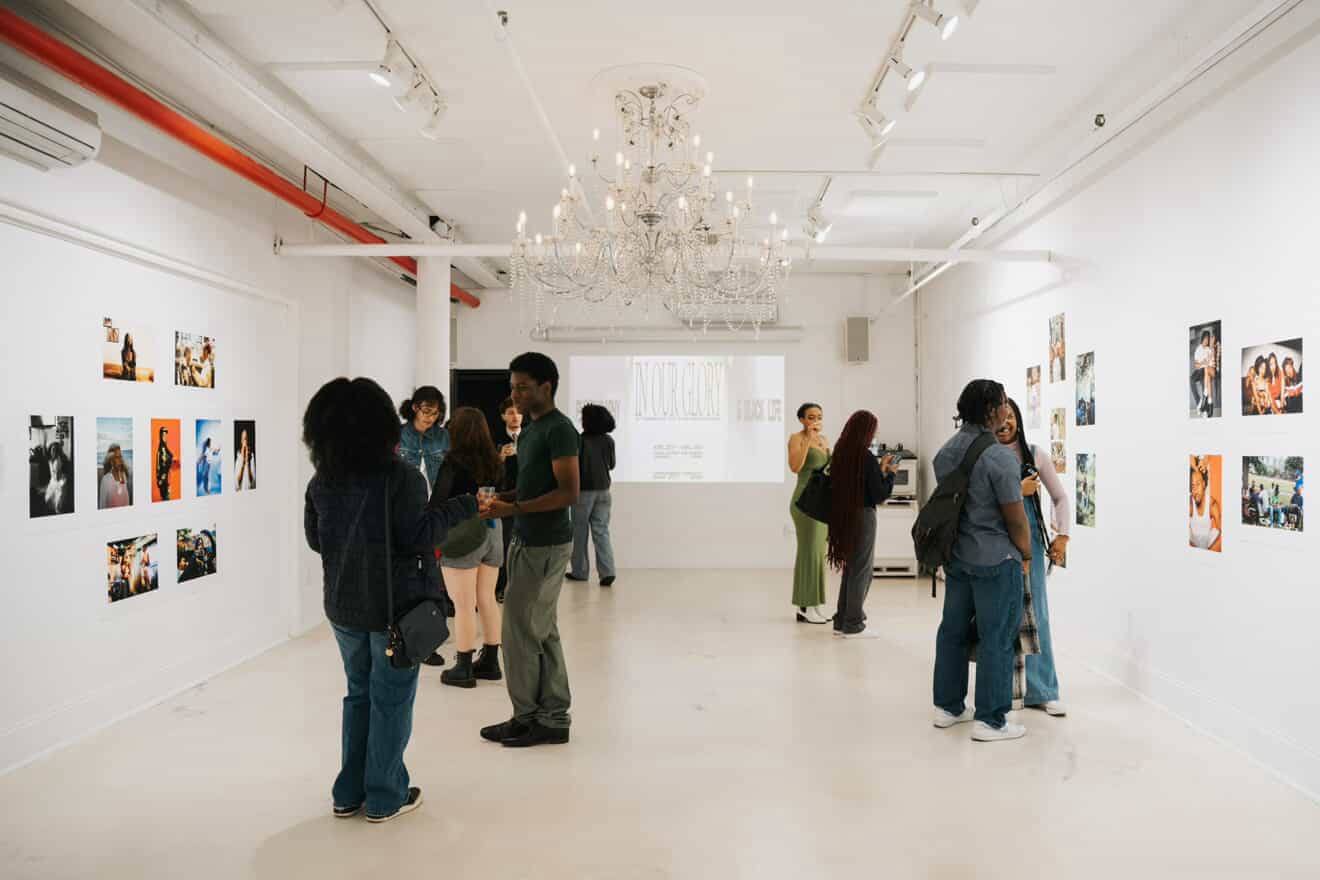
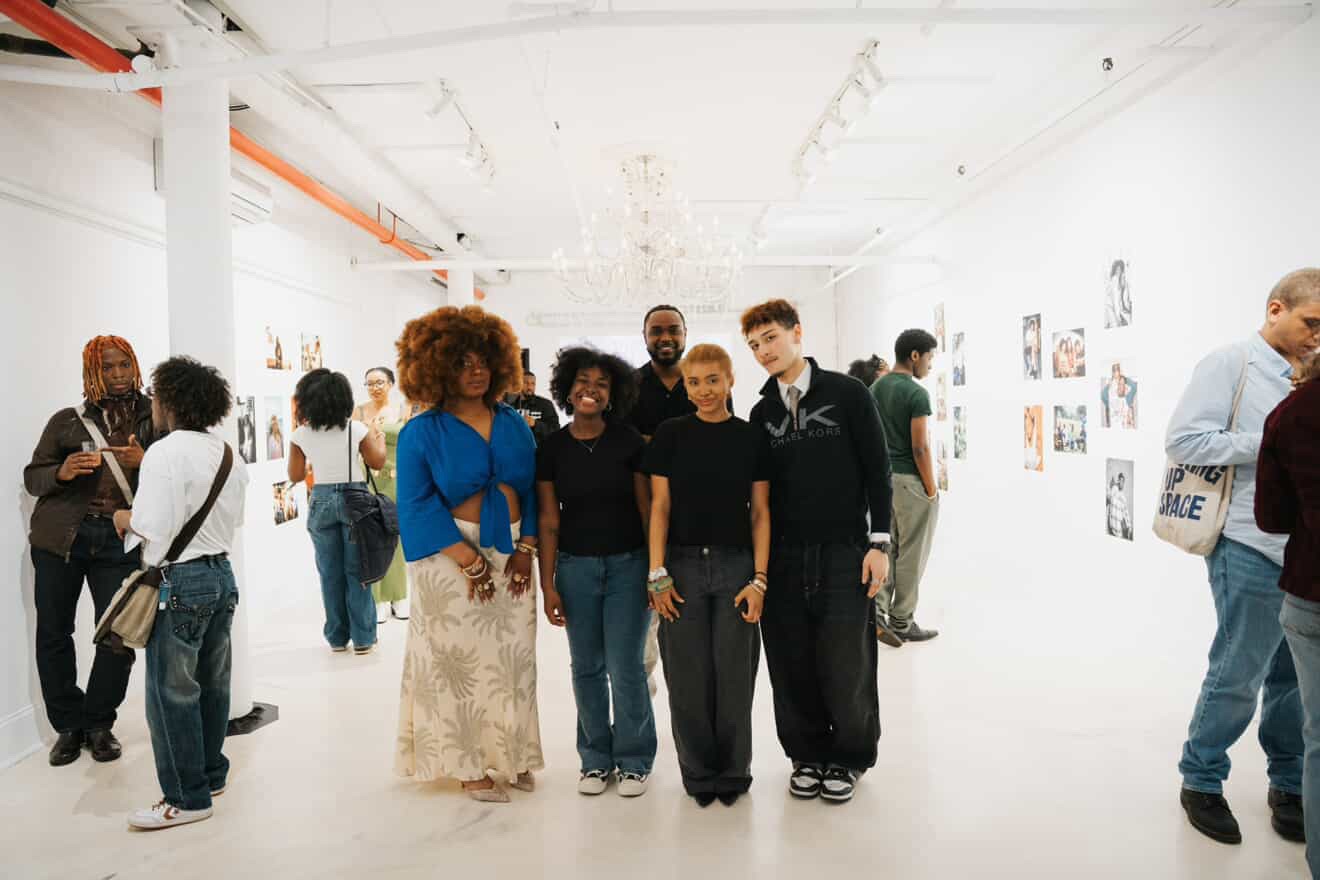
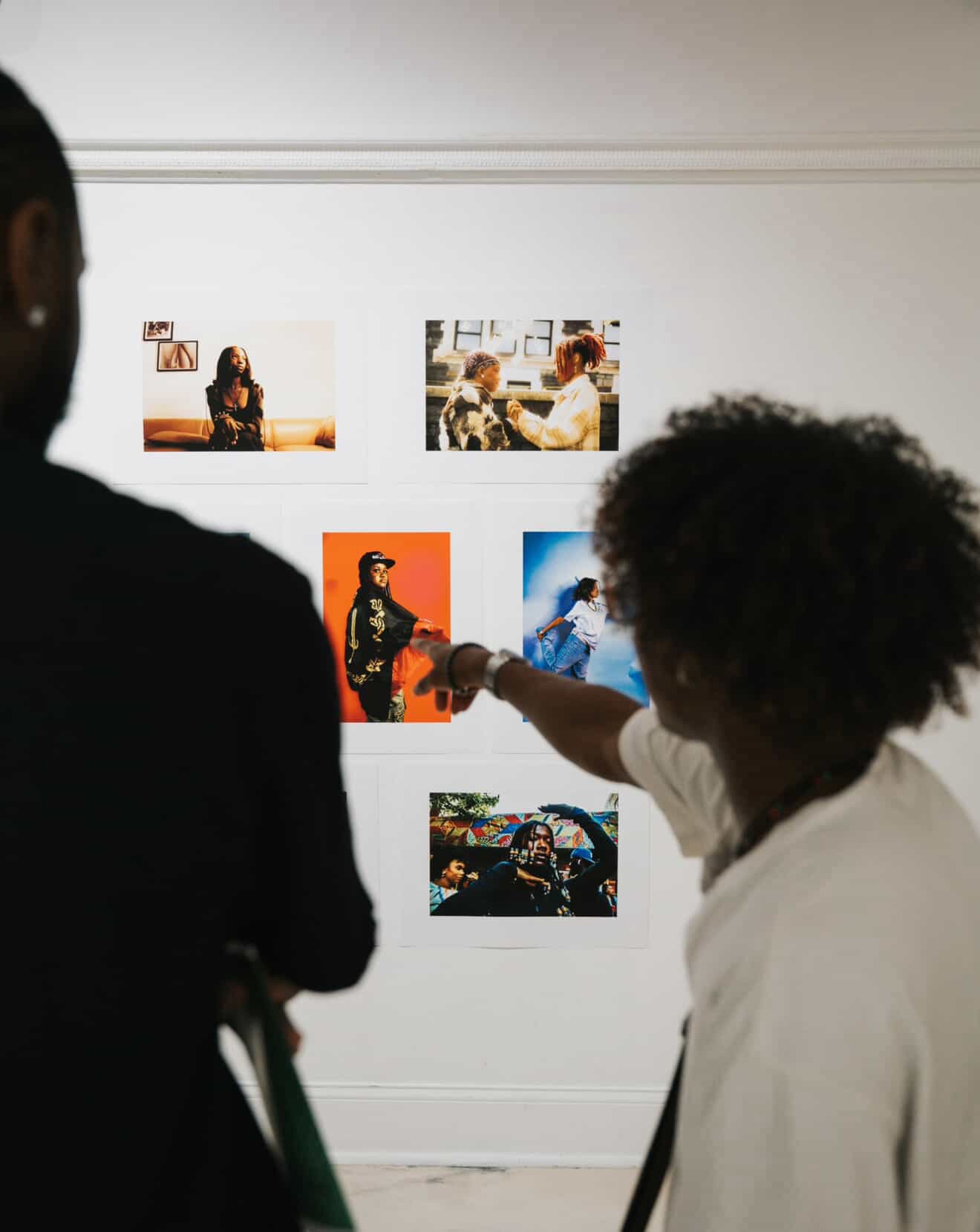
In Our Glory was a tribute to the Black diaspora. It was a photographic exhibition highlighting how Black communities have found spaces and collective happiness—your grandmother’s kitchen, safe spaces within a marginalized community. When we discuss socioeconomic issues tied to art and accessibility, we also have to consider nuances like race and class.
This upcoming exhibition, Art and Solidarity, is much more broad. We’re looking for artists, photographers, installers—anyone with any form of art—to contribute pieces that reflect solidarity in any context: historical events, communities, classifications. We have two more shows planned that I won’t mention yet, but they follow similar lines.
So thematically, we’re very focused on art as social progress, art as accessibility, and art as a significant voice. That’s really important, especially nowadays.
If you and Queen had an unlimited budget, what would you add or change about Warden Exhibitions?
I’ll let you in on some information. Our first show was entirely funded by us, out of our personal accounts, because we had to get it up and running somehow. You can’t necessarily apply for grants without a portfolio. That was a sacrifice we made and were proud of.
For the second show, we were lucky enough to receive a grant from CUNY, which covered most of the costs and reduced our net expenditure. I don’t think pouring more money into something always makes it better—more money doesn’t equal better quality. We’re very grateful for our financial standing right now.
That said, extra funds would mostly go toward venues. We’re very specific about venues because they’re important from a curatorial standpoint. I love white box galleries—they’re important—but sometimes architectural nuances can add something special.
We’d also use funds for artist compensation. We like to pay artists. Exposure is great, but people need to feed their families. Unfortunately, that’s a real issue in the art world.
If someone wants to exhibit their art with Warden Exhibitions, what’s the best way to contact you?
Our website is wardenexhibitions.com. We also have a general inquiry email, wardenexhibitions@gmail.com, and our Instagram is @wardenexhibitions. People can send ideas anytime.
Right now, we offer a curatorial framework and let contributors fall into those hallmarks, but we’re always open to inquiries from artists and photographers. We keep an open mind.
Perfect. That covers you as an art curator. What about you as a musician? Tell me more about the music you’ve been working on.
I was initially going to release an album called La La Land this summer, but I’ve been working on it since 2023 and I hold it very close to my heart. I want to execute it with the resources needed for visuals, thematics, and world-building, which is really important to my artistry.
I realized I was letting deadlines control me instead of the other way around. Especially since it’s a 24-track project, it’s not something I want to rush. So I’ve pushed back the release, and I’m actually happy about it because I discovered another project I want to release first—an EP called Before I Go, coming this summer.
I write, sing, and sometimes rap. I’m fully immersed. I produce all my songs myself on a DAW—Logic mostly—creating chords, melodies, bass, percussion, writing lyrics, and singing. I love songwriting and the artistry behind it.
I’d love to collaborate more. That’s part of why I came to NYU. There’s such a vibrant creative community, and I’ve met so many talented people at Tisch, Gallatin, and beyond. A lot of great art comes from collaboration.
Have you always been active in music? What made you pursue it?
I’ve always been active in music, but not always in creating it. I latched onto music very early. My parents are from Bangladesh, so I grew up around a lot of Bollywood music. If I had a tantrum, they’d play a song to calm me down.
I was always musically inclined and obsessed with how music works. Music takes you on a journey. I feel like my experiences have informed me enough to create art that’s genuine and resonates with people.
If you had to choose to become a single song or an art piece from any album ever, what would it be?
That’s such a fun question. I usually hate these questions [laughs], but I’m glad you asked.
My first answer was Salvatore by Lana Del Rey, but this week it would definitely be Dracula by Tame Impala.
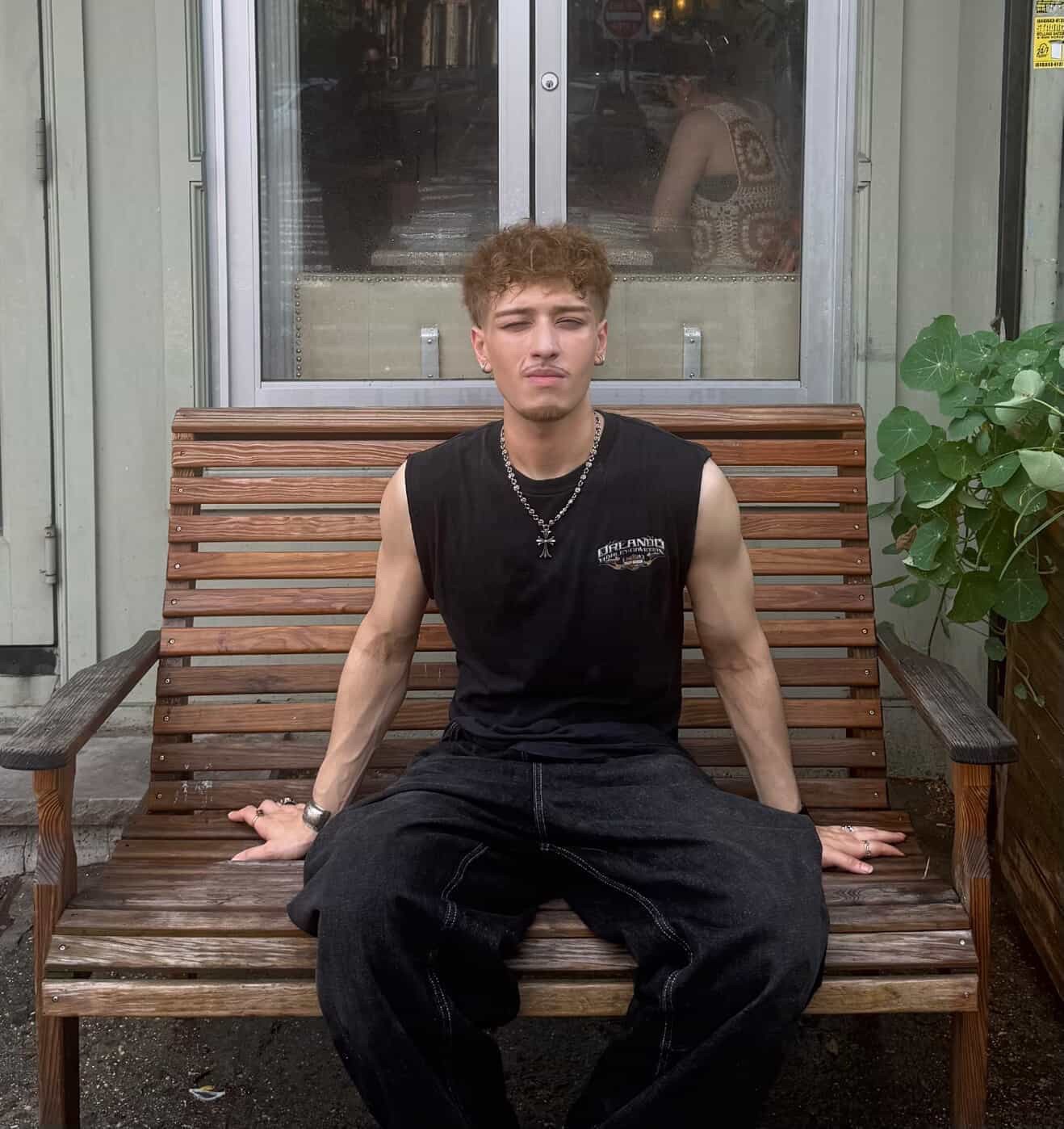
Zidan is a 21 year old student at NYU Steinhardt majoring in Music Business with an expected graduation date in June 2027. He was born and raised in New York City.
He holds a degree in Business Management, specifically with an emphasis on the cornerstone of community organization and engagement. Above everything, he is an avid lover of all the arts.
You can follow him on Instagram @zidzacc & check out his gallery's website at wardenexhibitions.com