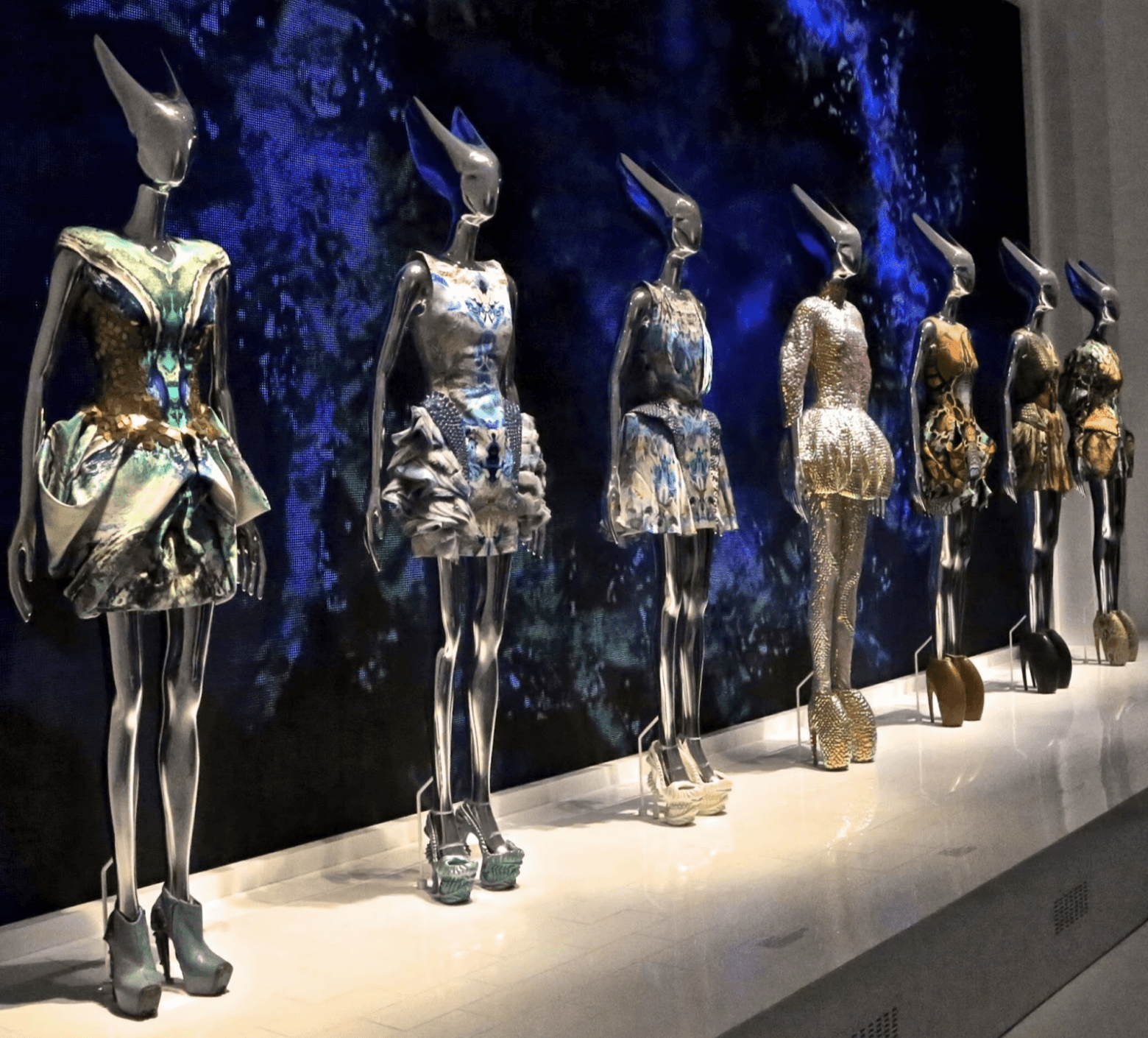
Lee Alexander McQueen, the representation of an artist with no fear.
By Francesca Nicoletti
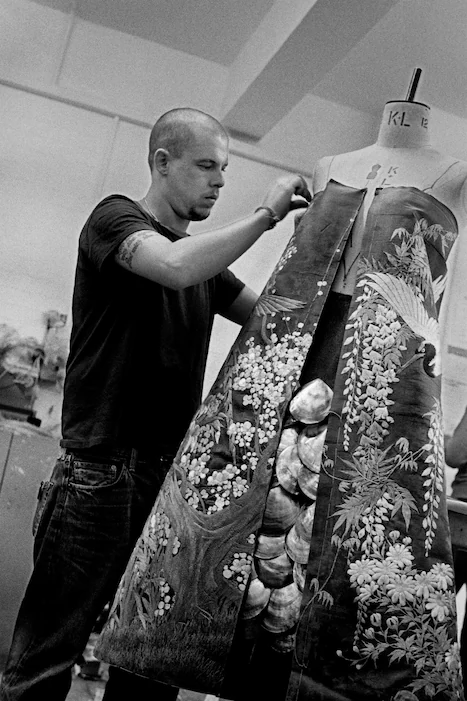
Alexander McQueen redefined fashion by transcending conventional boundaries, merging art with design to create garments that speak volumes beyond their visual appeal. Known for his rebellious spirit and a unique blend of creativity, McQueen's designs draw inspiration from diverse sources, infusing dramatic themes and cultural symbolism into his work. He helped to provide pathways for other designers to explore new realms of creativity. There is no other way to describe Alexander McQueen other than as a true artist.
McQueen often looked to historical, literary, and avant-garde contexts to craft collections that were both innovative and evocative. Each piece reveals a story, merging controversial themes with forward-thinking narratives. His shows were more than just presentations, they were experiential narratives that engaged the audience on multiple sensory levels.
Throughout his career, he incorporated organic elements such as feathers, animal fur, shells, bones, and distressed leather to create designs that felt primal and raw. He often combined delicate fabrics like lace and chiffon with harsher materials, producing striking contrasts between fragility and aggression. In collections such as VOSS, he juxtaposed clinical, sterile staging with intricate textures, heightening the emotional intensity of his garments. By experimenting with a wide array of materials and techniques, McQueen managed to weave a narrative into the very fabric of his designs.
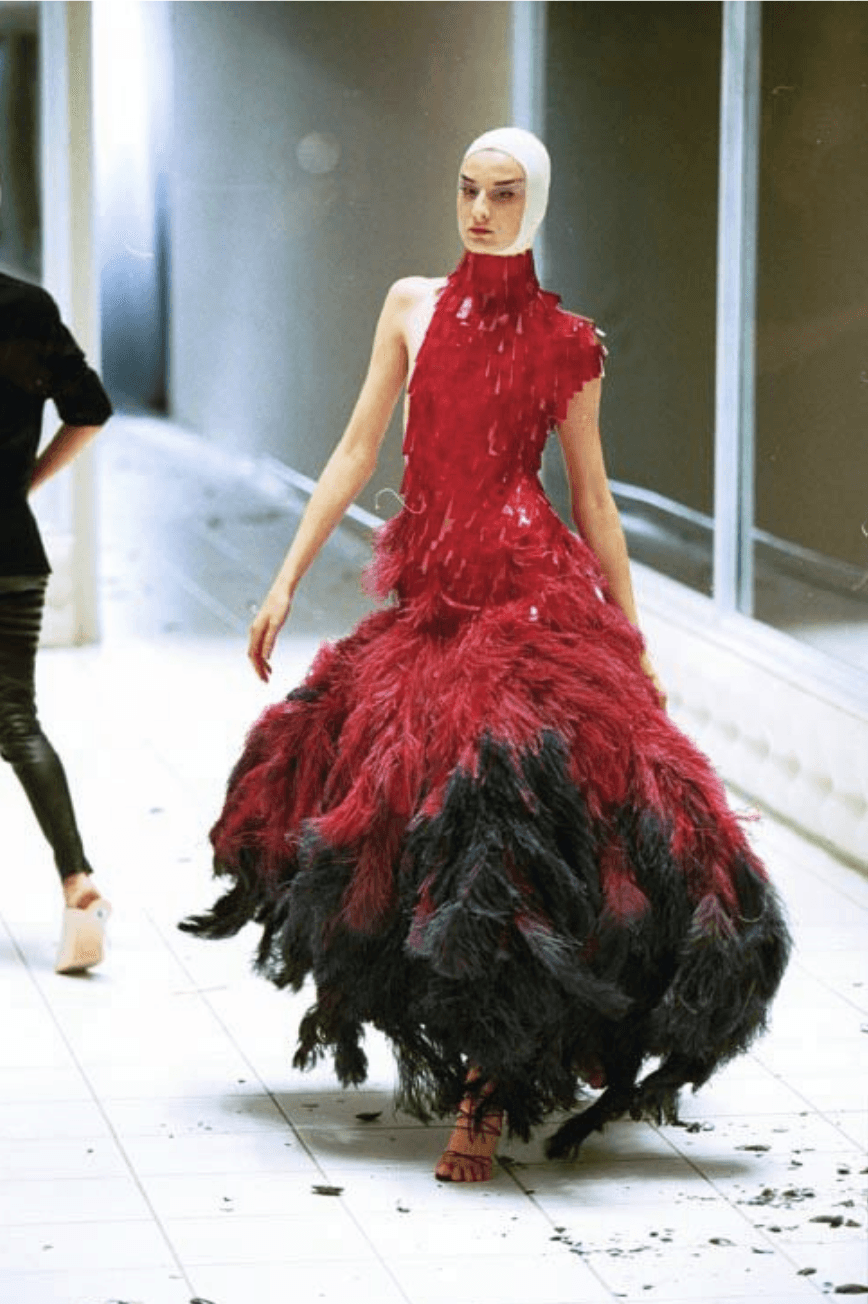
The designer’s Highland Rape collection also stands out, where he used psychologic imagery to challenge perceptions and evoke powerful emotions. The artist presented his work with interesting texture and an extravagant color blend to present a daring and desirable collection, making it the turning point of his career in fashion. McQueen used fashion controversy as a tool to explore themes of power, identity, death, and beauty, aiming to create art that was both unsettling and breathtaking at the same time.
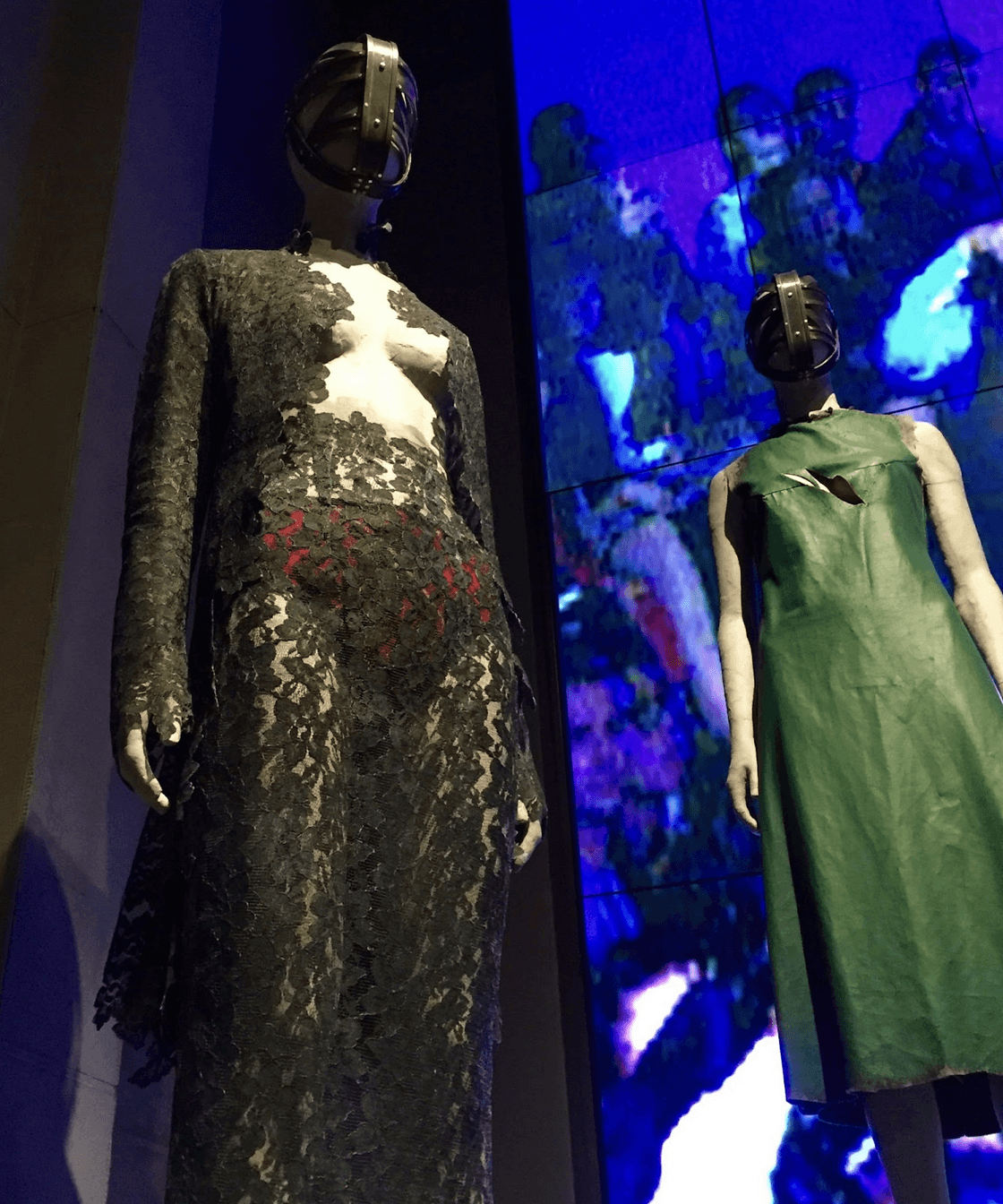
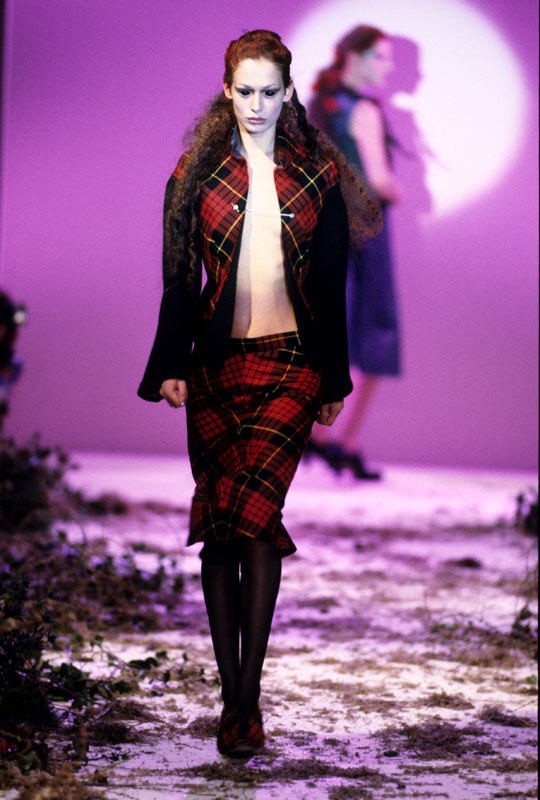
Similarly, the Plato's Atlantis collection anticipated the modern digital revolution in fashion months ahead of its time, foreshadowing designs that merge technology with artistic expression. Marked as his last collection before his death, the show became a pinnacle of the fashion industry. These and other presentations left lasting impressions on the fashion world, becoming benchmarks for creativity and innovation.
McQueen's influence extends beyond design, bridging the gap between fashion and commerce by maintaining a delicate balance of artistic vision and market appeal. His legacy lies in pushing the boundaries of traditional fashion, encouraging designers to integrate their creative expression with pragmatic business strategies. He understood the commercial realities of the fashion industry and adeptly wove these into his avant-garde approach, ensuring that his brand remained both relevant and aspirational.
The prominent designer himself’s artistic legacy is a testament to the power of creativity and vision in fashion design. His fearless approach not only challenged the norms of his time but also laid the groundwork for ongoing innovation in the fashion industry. By combining artistic flair with commercial and economic insight, McQueen's work continues to influence designers around the world, offering lessons in both fashion and business sectors.
The present-day house of McQueen dedicates itself to craftsmanship while honoring Alexander’s heritage, a testament to the enduring nature of his contributions to fashion. Sarah Burton, confidant and close collaborator of Alexander, began her career at McQueen as an intern in 1997. After his tragic death in 2010, she took over as creative director, leading the label to striking success before stepping down in 2023. Burton carried the house forward with sensitivity and strength. Under her leadership, the house maintained its theatrical edge while evolving into a modern expression of British couture, ensuring that McQueen’s rebellious spirit and commitment to artistry continued to resonate with new generations. If you ever get the chance, take a visit to the McQueen Flagship store in London. The presentation truly reflects the beauty behind the brand.
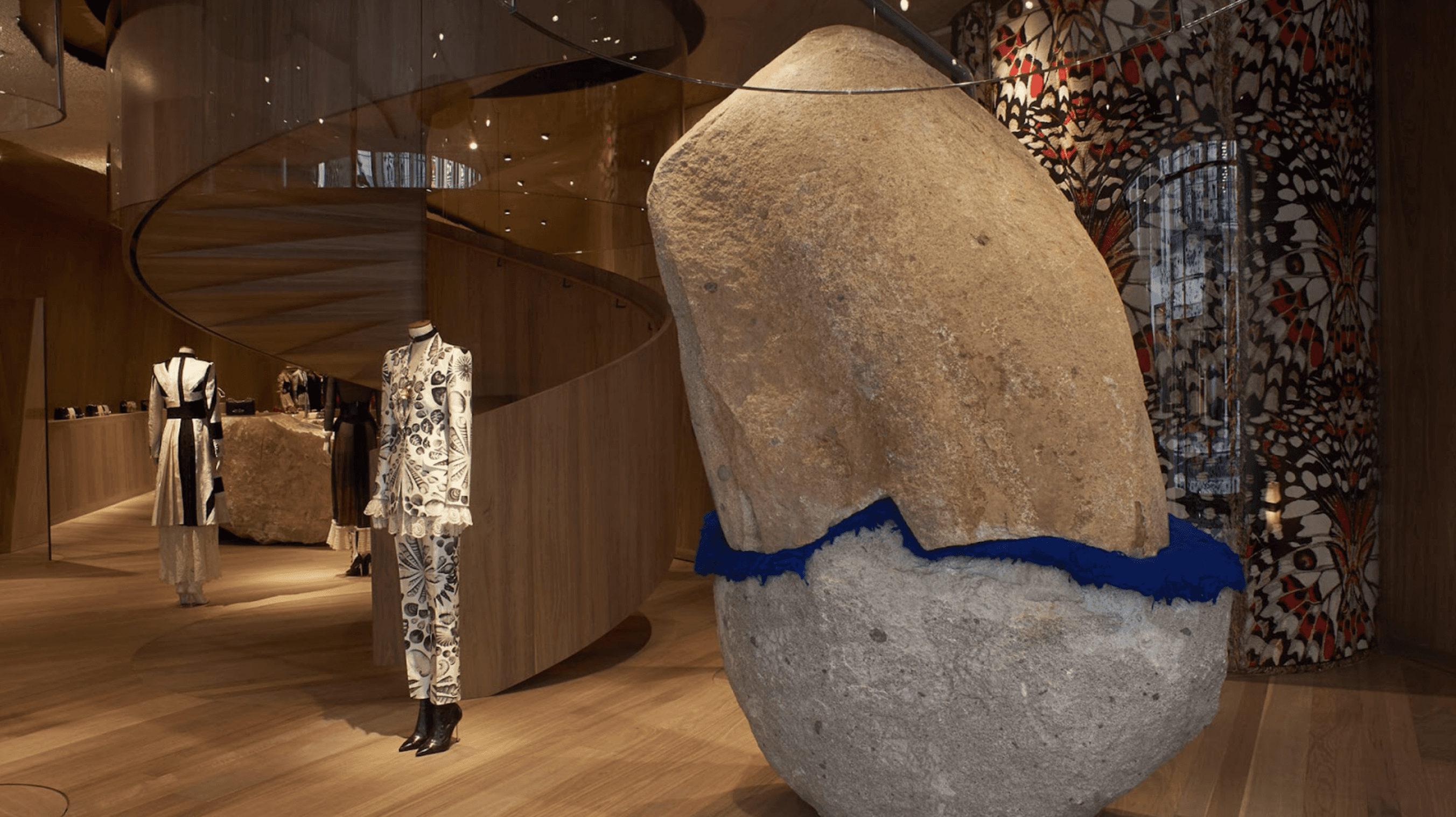
In the years since his passing, the name Alexander McQueen has come to signify far more than a label stitched inside a garment. It represents a philosophy of fearless creation. It represents a belief that fashion can disturb, seduce, challenge, and move us all at once. McQueen did not simply design clothes, he built worlds. On the runways of Paris Fashion Week and beyond, he transformed fabric into narrative.
Whether viewed as a pioneer of modern fashion or a disruptor of norms, McQueen’s legacy offers invaluable insights to creatives tasked with pushing the boundaries of design today. He reminded us that fashion is not trivial, it is armor, identity, and a protest. Lee Alexander's life’s work encourages a continued reflection on what it means to be truly innovative, proving that fashion, at its finest, is indeed an art. It is the movement of our time.
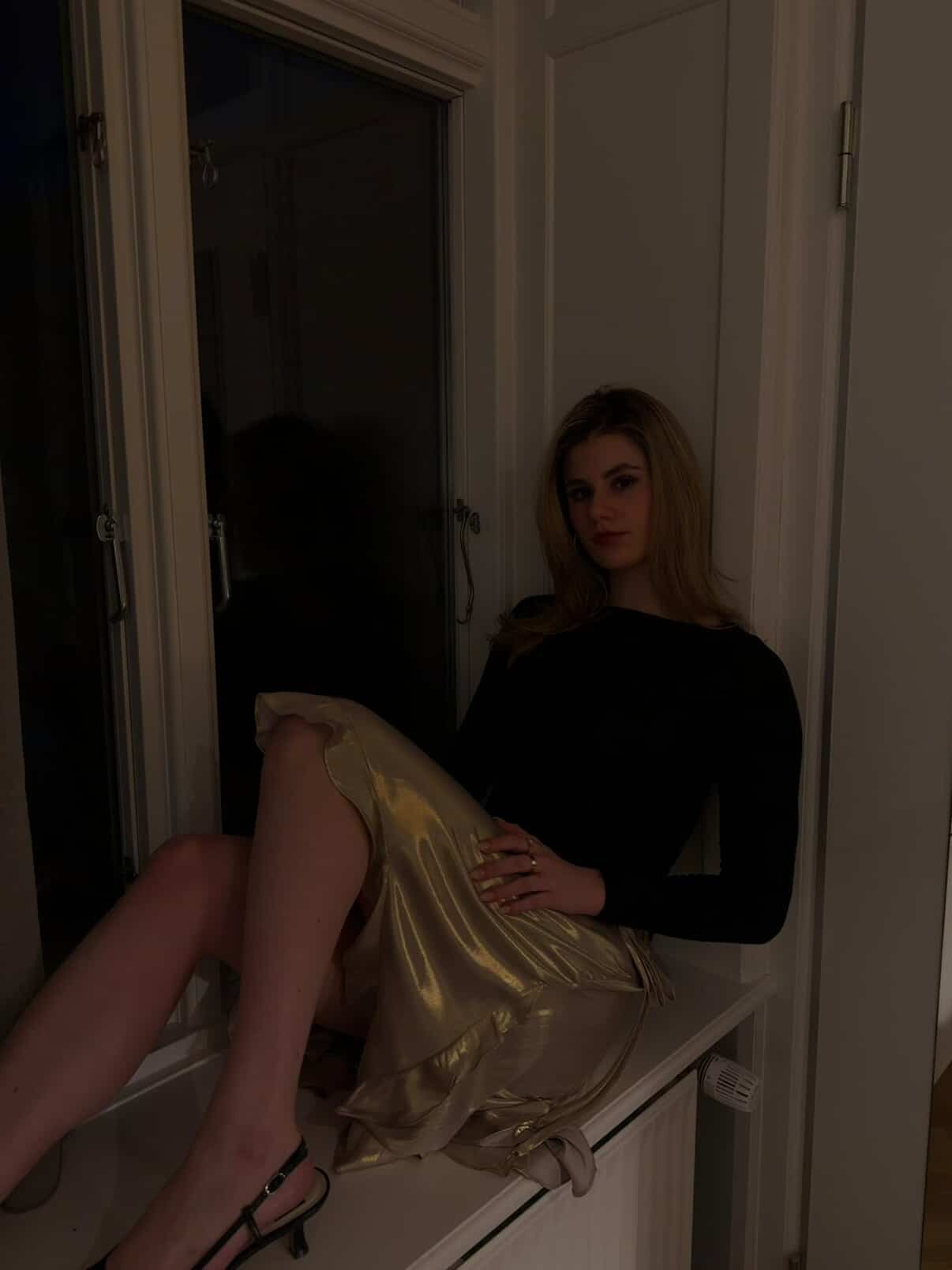
Francesca Nicoletti is a second-year student at New York University studying Fashion Business and Marketing, with a long-standing passion for the intersection of style, culture, and commerce. She started her own fashion blog at 15 years old, turning an early love for fashion into a platform where she explores industry trends, cultural movements, brand strategy, styling, and seasonal collections.
Over the years, her writing has evolved alongside the industry, analyzing not just what’s on the runway, but why it matters. Through my academic work and continued blogging, I aim to bridge fashion’s artistic vision with its strategic and commercial impact.
Be sure to follow her on Instagram @frankienicoletti and check out her blog over at francescanicoletti.com